Tirzepatide Research Peptide: A Scientific Overview of the Dual GIP/GLP-1 Receptor Agonist

1. Introduction
Tirzepatide is a synthetic peptide that has attracted substantial attention in metabolic and receptor-pharmacology research. Structurally, it is a 39-amino-acid, single-chain peptide engineered as a dual agonist for two incretin receptors — glucose-dependent insulinotropic polypeptide (GIP) and glucagon-like peptide-1 (GLP-1). This article presents a research-oriented overview of its chemical profile, receptor mechanism, and the practical handling of the lyophilized material supplied to laboratories. No therapeutic, diagnostic, or human-use claims are made herein.
2. Chemical Profile
Tirzepatide is derived from the human GIP sequence with targeted substitutions, and is extended with a C20 fatty diacid moiety linked via a hydrophilic spacer (a glutamate residue and a short PEG-like chain). This lipidation promotes reversible albumin binding, which is a key feature studied in pharmacokinetic and half-life research. The peptide is supplied as a white to off-white lyophilized powder.
| Property | Typical Research Specification |
|---|---|
| Sequence length | 39 amino acids (linear peptide) |
| Molecular weight (approx.) | ~4813 Da |
| Modification | C20 fatty diacid + spacer (albumin-binding) |
| Form | Lyophilized powder |
| Receptor targets | GIPR and GLP-1R (dual agonist) |
| Common vial sizes | 5 mg / 10 mg / 20 mg / 50 mg |
3. Dual Receptor Mechanism
The defining feature of Tirzepatide is its balanced affinity for both the GIP receptor (GIPR) and the GLP-1 receptor (GLP-1R). Both are class B1 G-protein-coupled receptors (GPCRs) that signal primarily through G_s proteins to stimulate intracellular cAMP production. In receptor-agonist studies, researchers measure this cAMP response — often via luciferase-based reporter assays or intracellular calcium/ cAMP assays — to compare agonism profile, potency (EC50), and bias signaling across the two receptors.
A frequent research question is how GIPR co-activation modulates the downstream physiology relative to GLP-1R mono-agonism. Investigators typically address this through comparative dose–response experiments, receptor selectivity panels, and downstream pathway mapping rather than through any clinical interpretation.
4. Research Applications
In laboratory settings, Tirzepatide is commonly used across several research streams:
- Receptor pharmacology: GIPR/GLP-1R binding, agonism, and bias-signaling assays.
- Metabolic modelling: in-vitro and ex-vivo studies of incretin-axis signalling pathways. in-vitro and ex-vivo studies of incretin-axis signalling pathways.
- Analytical method development: HPLC, LC-MS/MS, and stability-indicating assays for peptide quantification. HPLC, LC-MS/MS, and stability-indicating assays for peptide quantification.
- Formulation science: lyophilization, reconstitution, and excipient-compatibility studies. lyophilization, reconstitution, and excipient-compatibility studies.
- Comparative peptide studies: side-by-side evaluation against other incretin mimetics under controlled conditions. side-by-side evaluation against other incretin mimetics under controlled conditions.
5. Handling & Storage of Lyophilized Powder
Lyophilized peptides are hygroscopic and sensitive to heat and oxidation. Standard laboratory practice for Tirzepatide research material includes:
- Store sealed vials at
-20 °Cor below; protect from light and moisture.or below; protect from light and moisture. - Allow vials to reach room temperature before opening to minimize condensation.
- Reconstitute with an appropriate sterile solvent (e.g., bacteriostatic water or a defined buffer) using aseptic technique; follow your institution's SOP.
- Aliquot reconstituted solution to avoid repeated freeze–thaw cycles; store aliquots at
-20 °Cto-80 °C.to-80 °C. - Record lot number and COA reference for every experiment; retain for traceability.
6. Purity & Certificate of Analysis
Reproducible research depends on verified material. Each PuroPep Research lot is accompanied by a Certificate of Analysis (COA) documenting identity and purity by reversed-phase HPLC, mass confirmation by mass spectrometry (MS), and residual-solvent/water-content where applicable. Researchers should confirm the COA before experimental use and treat any out-of-specification result as a reason to quarantine the lot.
7. Frequently Asked Questions
Q: Is Tirzepatide the same as a finished pharmaceutical product?
A: No. The material discussed here is a research-grade peptide supplied exclusively for laboratory research. It is not a finished drug, nor is it approved for any therapeutic use.
Q: How should I cite the material in a publication?
A: Cite the supplier (PuroPep Research), the specific product/vial size, lot number, and the purity stated on the COA. Always reference the COA shipped with your lot.
Q: Can you provide custom specifications or larger vial sizes?
A: For research procurement questions, please contact our team via WhatsApp. All supply remains strictly within the research-use scope.
Related product
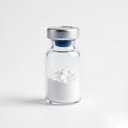 Tirzepatide (Research Grade) — 50mg×10 vials
Related articles
 How to interpret the COA of research-grade tirzepatide? From HPLC and mass spectrometry to batch traceability
Have questions about this material?
Message our team on WhatsApp.
Chat on WhatsAppFor Research Use Only. Not for human consumption. No medical claims are made.